
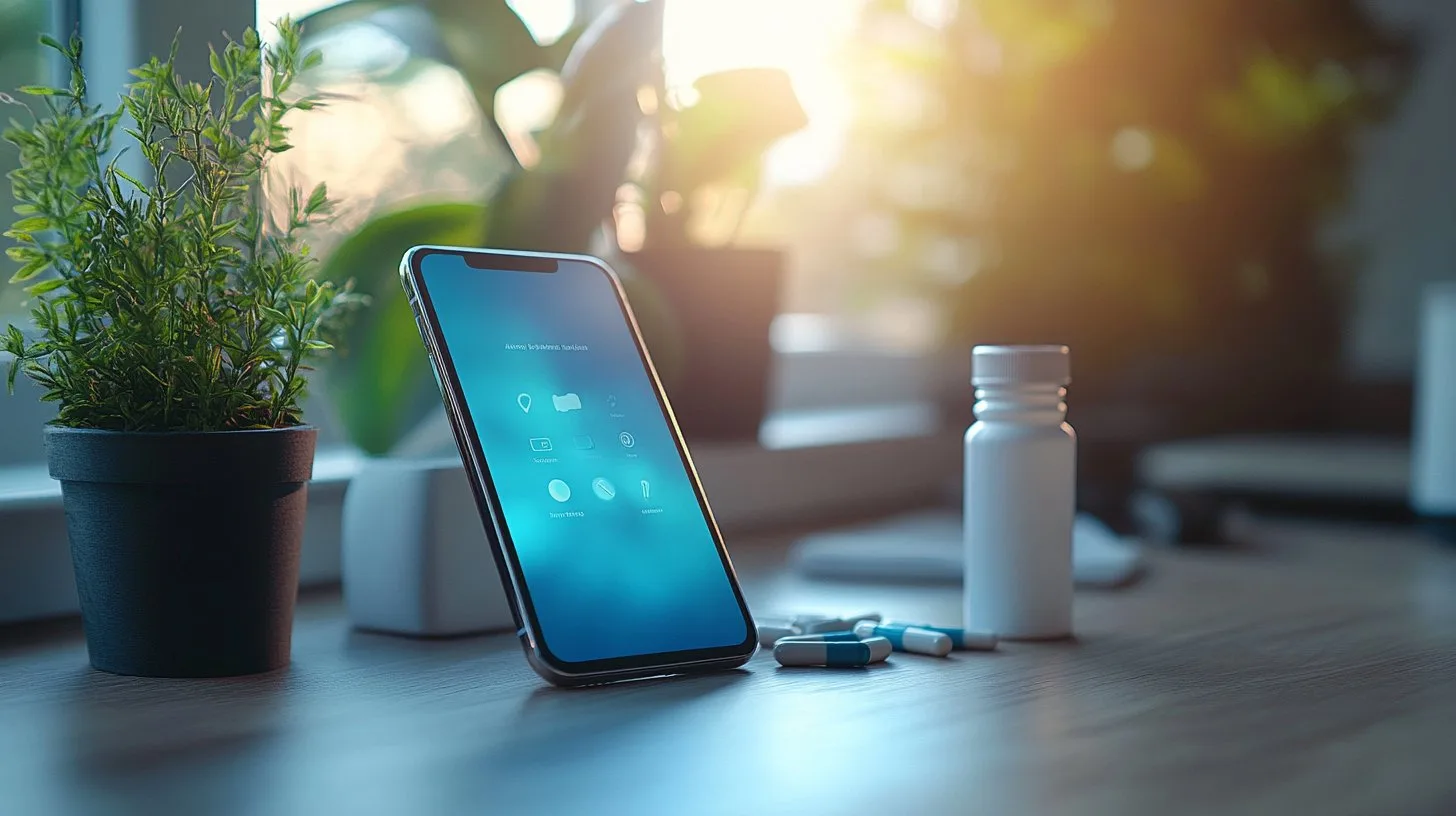
Running out of ADHD medication shouldn't feel like an emergency. But for too many patients, refill day turns into a scramble: calling the office, waiting for a callback, rescheduling a visit you didn't have time for. By the time your prescription is renewed, you've already gone days without it.
ADHD One handles prescription refills through secure online check-ins. Your provider reviews how your medication is performing, checks for side effects, and sends your refill electronically. No waiting rooms. No phone tag. No treatment gaps.
How Online Refills Work at ADHD One
The refill process is designed around one principle: your treatment shouldn't pause because of logistics. Here's what it looks like in practice.
When your refill window approaches, you schedule a brief telepsychiatry appointment. These check-ins are typically 10 to 15 minutes. Your provider evaluates several clinical indicators: how well you're focusing, whether side effects have appeared or changed, your sleep and appetite patterns, and overall medication adherence.
If your current treatment is working well, your prescription is renewed and sent electronically to the pharmacy of your choice. If something has shifted, your provider adjusts the dose, switches formulations, or explores alternatives. This ongoing clinical oversight is what separates a proper refill process from just rubber-stamping the same prescription month after month.
Stimulant Refill Requirements
ADHD medications classified as Schedule II controlled substances, including Adderall, Vyvanse, Concerta, and Ritalin, carry specific refill regulations. Under current DEA guidelines, these medications cannot have automatic refills. Each renewal requires a new prescription from a licensed provider.
This means monthly check-ins are standard for stimulant patients. ADHD One builds these into your care schedule proactively. You won't have to chase down an appointment. We reach out when your refill window is approaching and make scheduling as frictionless as possible.
Federal telehealth rules currently allow clinicians to prescribe and refill controlled substances via video evaluation, provided the provider is licensed in your state. ADHD One operates fully within these guidelines.
Want to understand the differences between available stimulant options? See how they compare across formulations, onset times, and side effect profiles.
Non-Stimulant Refill Schedules
Non-stimulant ADHD medications like Strattera (atomoxetine), guanfacine, and Qelbree (viloxazine) aren't classified as controlled substances. This means refill intervals can be more flexible, often every 60 to 90 days depending on clinical stability.
That said, ADHD One still schedules regular follow-ups for non-stimulant patients. These medications can take several weeks to reach full effectiveness, and side effect profiles differ from stimulants. Ongoing monitoring ensures your treatment stays aligned with how you're actually responding, not just how the medication is supposed to work on paper.
For patients who've tried stimulants without success, or who have conditions that make stimulants risky, non-stimulants like Qelbree offer a compelling alternative worth exploring with your provider.
Why Treatment Gaps Are a Problem
Skipping even a few days of ADHD medication can cause a noticeable rebound in symptoms. Focus drops. Impulsivity returns. The organizational systems you've built start to unravel. For students, that might mean a missed assignment deadline. For working professionals, it could mean a derailed project or a difficult week of meetings.
Treatment gaps also complicate clinical monitoring. When your provider can't distinguish between a medication that's stopped working and a medication that wasn't taken consistently, treatment decisions get muddied. Maintaining continuity makes every follow-up more productive and every adjustment more precise.
ADHD One's refill system is built to prevent this. Proactive scheduling, reminders, and fast turnaround on electronic prescriptions mean you don't fall into the gap between appointments.
Managing Dose Adjustments During Refills
Refills aren't always a straight renewal. Bodies change. Stress levels shift. Patients gain or lose weight, start new medications for other conditions, or move into life stages that alter how ADHD presents. A dose that worked six months ago might not be the right dose today.
During each check-in, your ADHD One provider evaluates whether your current regimen still fits. Dose adjustments are common and expected, not a sign that something went wrong. Titration is a normal part of long-term ADHD medication management.
If you're starting treatment for the first time and want to understand how the evaluation and prescribing process works, read about how to start treatment in a single day.
What to Expect During a Refill Check-In
Each online refill appointment follows a structured format. Your provider will ask about:
- Symptom control -- Are you able to focus, manage tasks, and regulate impulses at the same level as before?
- Side effects -- Any changes in appetite, sleep, mood, heart rate, or energy levels?
- Medication adherence -- Are you taking your medication as prescribed, and if not, what's getting in the way?
- Life changes -- New job, school transitions, sleep disruptions, or added stressors that could affect how your medication performs?
This isn't a formality. These check-ins are what allow your provider to catch problems early, before a small issue becomes a reason to overhaul your entire treatment plan.

Why Patients Choose ADHD One for Ongoing Care
The hardest part of ADHD treatment isn't getting diagnosed. It's staying on track after the first appointment. Too many patients fall off because their provider is hard to reach, refills take too long, or nobody follows up when symptoms shift.
ADHD One is designed for continuity. Your provider knows your history. Appointments are online and fit into your actual schedule. Refills are proactive, not reactive. And when something needs to change, the adjustment happens during your regular check-in instead of requiring a whole new intake process.
If you've been managing your ADHD medications through a system that makes you work harder than it should, or if you've experienced gaps in care that set you back, this is what consistent treatment looks like.
Frequently Asked Questions
Can controlled substances like Adderall be refilled online?
Yes. Under current federal online visits guidelines, licensed providers can prescribe and refill Schedule II controlled substances like Adderall via video check-up. Each refill requires a new prescription (no auto-refills) and a brief clinical check-in. ADHD One operates fully within these regulations.
How often do I need a check-in for a stimulant refill?
Most patients on stimulant medications have monthly check-ins. This is required by DEA guidelines for Schedule II substances. Non-stimulant patients may follow a longer schedule, typically every 60 to 90 days, depending on clinical stability.
What happens if my medication stops working as well?
Your provider will evaluate whether a dose adjustment, formulation change, or switch to a different medication class is right. Tolerance, life changes, and related conditions can all influence medication effectiveness. Adjustments are a normal part of ongoing ADHD care.
How fast can I get my refill after a check-in?
In most cases, your provider sends the prescription electronically during or immediately after your appointment. Pharmacy availability determines final pickup timing, but same-day refills are common when appointments are scheduled proactively.
Do I need to see the same provider each time?
ADHD One emphasizes continuity of care. You'll typically work with the same provider who knows your history and treatment trajectory. If scheduling requires a different provider, your full chart and treatment notes are shared to maintain care quality.
Related ADHD Guides
Had bariatric surgery? Our post-gastric-bypass medication guide explains how weight loss surgery affects ADHD prescriptions. Learn how telemedicine simplifies managing your Adderall prescription with no office visits needed.